
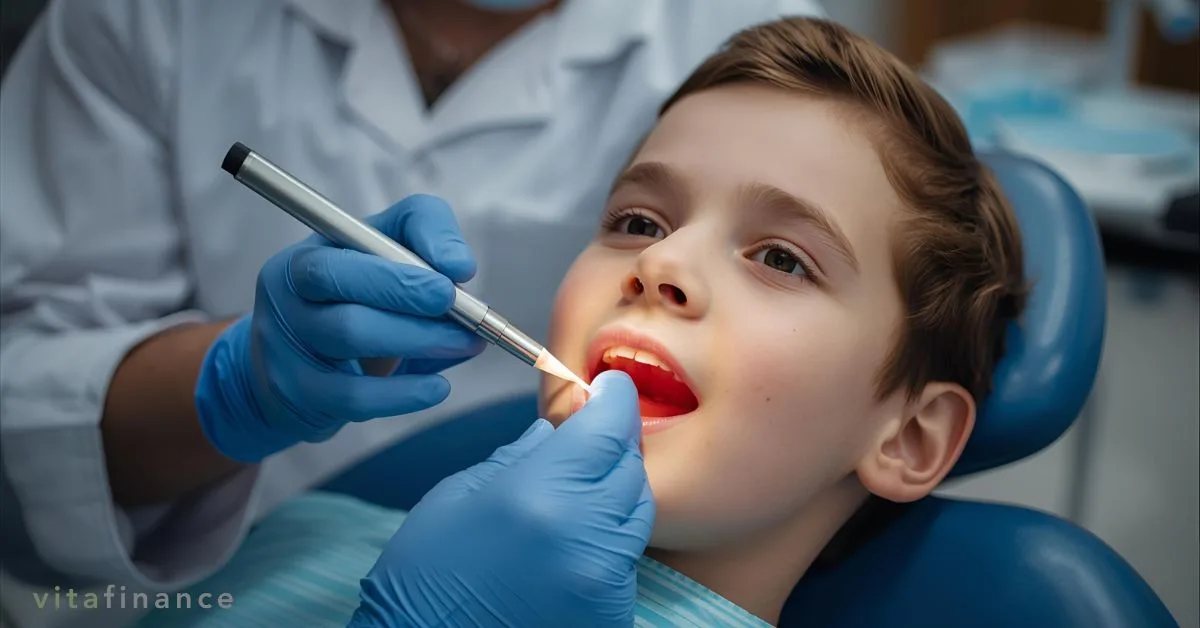
Many parents in Switzerland are considering whether to take out supplemental dental insurance for their children. At first glance, the premium often seems very affordable, sometimes even in the single-digit Swiss franc range per month. However, what matters is not the initial cost of the insurance, but rather the total costs incurred up to the age of 18 and what services are covered.
Dental costs are highest during childhood and adolescence, especially for orthodontic treatments like braces. Braces can cost several thousand Swiss francs and, without supplemental insurance, place a significant burden on the family budget. Therefore, it’s worthwhile to carefully compare offers and think long-term.
Why do you need supplemental dental insurance?
In Switzerland, mandatory health insurance covers very few dental services. Treatments are only covered if they are the result of a serious illness or caused by an accident. Parents must pay for routine dental treatments such as fillings, dental hygiene, or root canals, as well as orthodontic procedures like braces, themselves.
This is precisely where supplemental dental insurance comes in. It steps in when high costs arise for treatments that affect almost every child in their daily life. Whether it’s caries treatment, regular dental checkups, or the almost standard braces in adolescence, dental insurance can provide financial relief for families and create peace of mind.
Why total costs are crucial
Dental insurance accompanies families for almost two decades. Even small monthly differences add up to several thousand francs over this time. Some policies start with very low premiums in infancy, but increase sharply from school age onwards. Those who focus solely on the low initial premium can drastically underestimate the total costs.
For a realistic assessment, it is therefore crucial to add up the premiums from birth to the 18th birthday and compare them to the benefits. Only in this way can you determine whether insurance is truly worthwhile. Some products remain inexpensive throughout their entire term, while others cost two or three times as much, even though the benefits are comparable.
Important to know: A later change is hardly possible.
Another important point is the long-term commitment. Supplemental dental insurance plans usually accept children without any problems, as long as there are no existing misaligned teeth or ongoing treatments. However, once orthodontic treatment such as braces has begun, switching to another insurance provider is practically impossible.
This means for parents: Choosing dental insurance is a decision that will have an impact throughout childhood and adolescence. Those who take out a good and suitable policy early on benefit from stable conditions in the long term. Conversely, those who wait too long risk having their application rejected.
Differences between insurance companies
Swiss supplemental dental insurance policies vary considerably in price and coverage. Some providers focus on low premiums with rather modest maximum coverage amounts, while others charge higher premiums but cover larger portions of costs or set higher annual limits.
Typical performance differences include:
- Orthodontics: The most important services during adolescence. Depending on the provider, 50 to 75 percent of the costs are covered, but often only up to an annual maximum amount.
- General dental treatments: These include fillings, dental hygiene, and root canal treatments. Insurance companies differ in the percentage of costs covered and the maximum annual amounts.
- Accident-related dental damage: This is already partially covered by basic insurance, but some dental insurance policies offer extended protection.
- Waiting periods: Some insurance companies only reimburse benefits after a certain waiting period, often six to twelve months after the start of the contract.
Why a comparison is indispensable
The differences between providers can amount to several thousand francs for families. While some products cost only a few thousand francs over the entire period until the child’s 18th birthday, others charge almost three times as much. Expensive doesn’t automatically mean better, and cheap doesn’t automatically mean inadequate.
A comparison is particularly worthwhile because:
- The total costs are decisive, not the initial premium.
- the services vary greatly in detail
- The maximum amounts will determine the actual relief in a serious case.
- and because parents usually keep the insurance until the child reaches adulthood.
Conclusion
Supplemental dental insurance for children in Switzerland can be a very worthwhile investment. It protects against the high costs of braces and other treatments that almost every child needs at some point. However, there are significant differences between providers, both in premiums and coverage.
Therefore, what matters is not the cost of the insurance in the first year, but the total cost up to the child’s 18th birthday and the benefits offered. Careful comparison of premiums and benefits can save several thousand francs while ensuring the child is well protected should the need arise.
FAQs
Dental insurance should not be taken out in infancy, but rather well before the permanent teeth erupt. Many insurance companies have a maximum age limit for obtaining coverage without a dental certificate, usually between 3 and 7 years. Parents should therefore find out about the deadlines of their chosen health insurance provider early on and take out the policy well before this cut-off date.
No. Braces and orthodontic treatments are not covered by mandatory health insurance unless they are the result of a serious illness or accident.
A change of insurance provider is only possible as long as no treatment is currently underway. Once braces or other orthodontic therapy has begun, most insurance companies will refuse coverage.
Not all services are covered. Purely aesthetic procedures such as teeth whitening or cosmetic corrections without medical necessity are often excluded. Treatments planned or started before the insurance policy began are also generally not covered.
The cost of braces often ranges between CHF 8,000 and 15,000, depending on the duration and type of treatment. Without supplemental insurance, parents must pay this amount themselves. With suitable insurance, depending on the policy, 50 to 75 percent of the cost is covered, up to a certain annual maximum.
The differences between providers are significant – and switching later is hardly possible. Our experts will help you compare services correctly, avoid hidden costs, and choose an insurance policy that protects your child in the long term.
Our experts not only answer your individual questions but also help you define the next steps clearly, avoid pitfalls, and enter the final weeks of pregnancy well prepared.